The Thread Counts
Yes, the Thread Counts, but not in the way you think it does.
High Thread Count = High Quality? ... Wrong.
The term 'Thread Count' has been misleading consumers for decades.
Many brands using lower quality short staple cotton, then attaching small strands of cotton called 'Piles' to the thread which the appears to be thicker. Mimicking more threads and call it high thread count.
This method can make the sheets appear 2-4 times thicker. When really they are not at all.
Charging consumers a high price tag when low quality cotton was used.
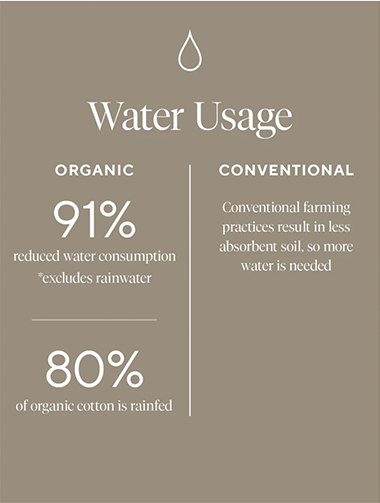
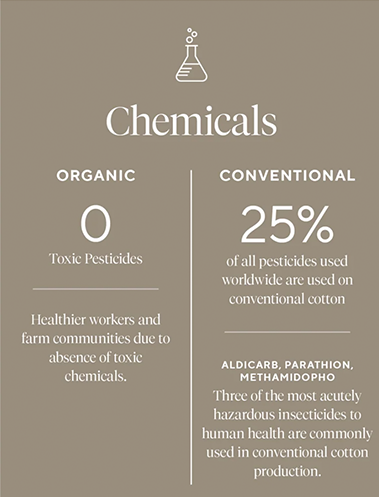
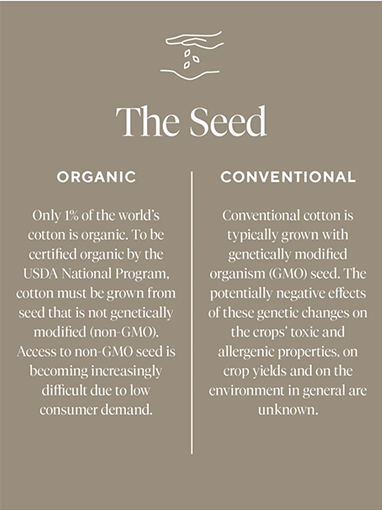
Sustainable Threads That Count are: Traced Organic cotton - The cotton has to traced to make sure it a adheres to strict farming protocols, Recycled Cottons, or Regenerative cottons are traceable from farm to factory, minimising environmental impact.
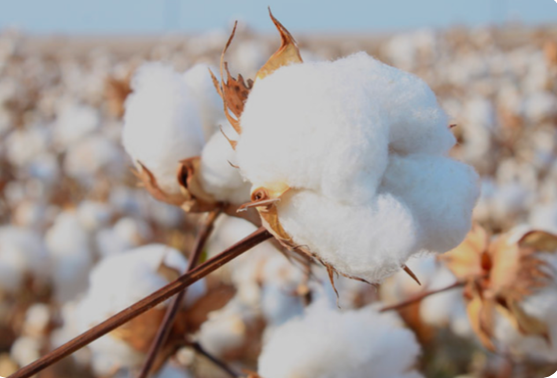
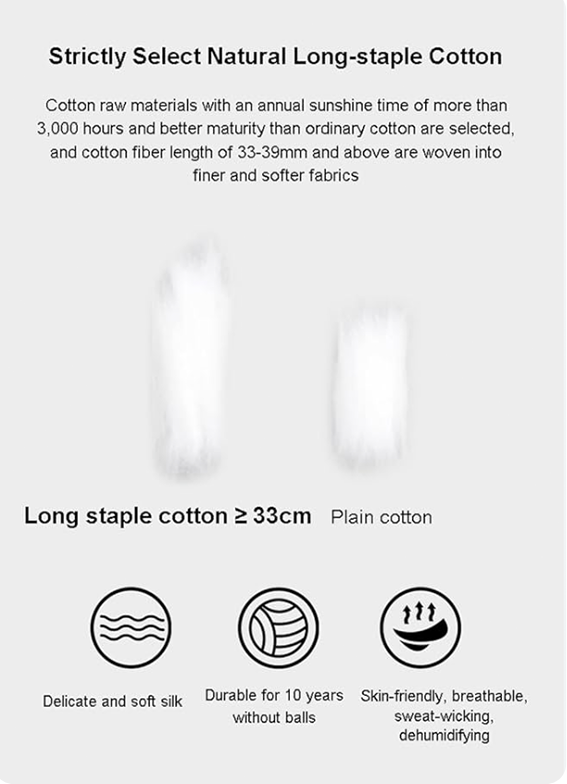
Long Staple Yarns Count: The length of the yarn makes a big difference to the quality of the sheet.
Long Yarns are strong and soft and have durability.
Washing Counts: There are 3 main washing methods used in Bed Linen.
1 - Silicone Wash
is often used to make sheets feel soft and luxurious, This is generally short lived cosmetic treatment. Once the silicone washes away the fabric with feel rougher and lower quality.
2- Stone Washing
The primary effect of stone washing is to give linen a more “worn-in” effect. The purpose is to give the fabric a slightly faded color and vintage feel.
Actual stones such as pumice and volcanic rock are used in the washing process. As the wash cylinder rotates, cloth fibers are repeatedly pounded and beaten as the tumbling stones ride up the paddles inside the drum and fall back down onto the fabric. Besides giving the fabric a worn-out, comfy look, stone washing is also meant to increase the softness and flexibility of an otherwise rigid cloth.
There is an issue with stone washing. While the stones make the fabric more soft, overtime the material becomes too thin and rips. Stones are harsh and wear down the fabric, which actually ruins the quality of the material. its uses allot more water, energy and chemicals to help soften the fabric.
3- Bio Enzyme Washing
The is the most sustainable Washing method
Enzyme washing achieves the same effect of stone washing with the help of special organic chemistry.
Throughout the course of the washing process, enzymes increase the abrasion of the upper layers of linen fabric, achieving an effect similar to stone washing without the harsh and damaging effects. Think of it as a relaxing, enzyme-enriched bath for your fabric as opposed to a harsh rough and tumble with some rocks. It uses significantly less water. and No harmful chemicals.
The resulting effect is a soft Cotton that becomes more and more soft overtime The material attains a silky and substantial feel, with breathability, perfect weight, and Durability.
This of course is the method we use at Common Thread:
High Quality Yarn
Extra Threads used in weaving
Bio Enzyme Washed